Degree Guide · Updated September 27, 2026
What Is Public Health?
What Is Public Health?
What is public health? It's the work of preventing disease and injury and improving health across whole populations, rather than treating one patient at a time. Its core disciplines are epidemiology, biostatistics, social and behavioral sciences, health services administration and environmental health. The Master of Public Health is the field's main professional degree.
What Is Public Health?
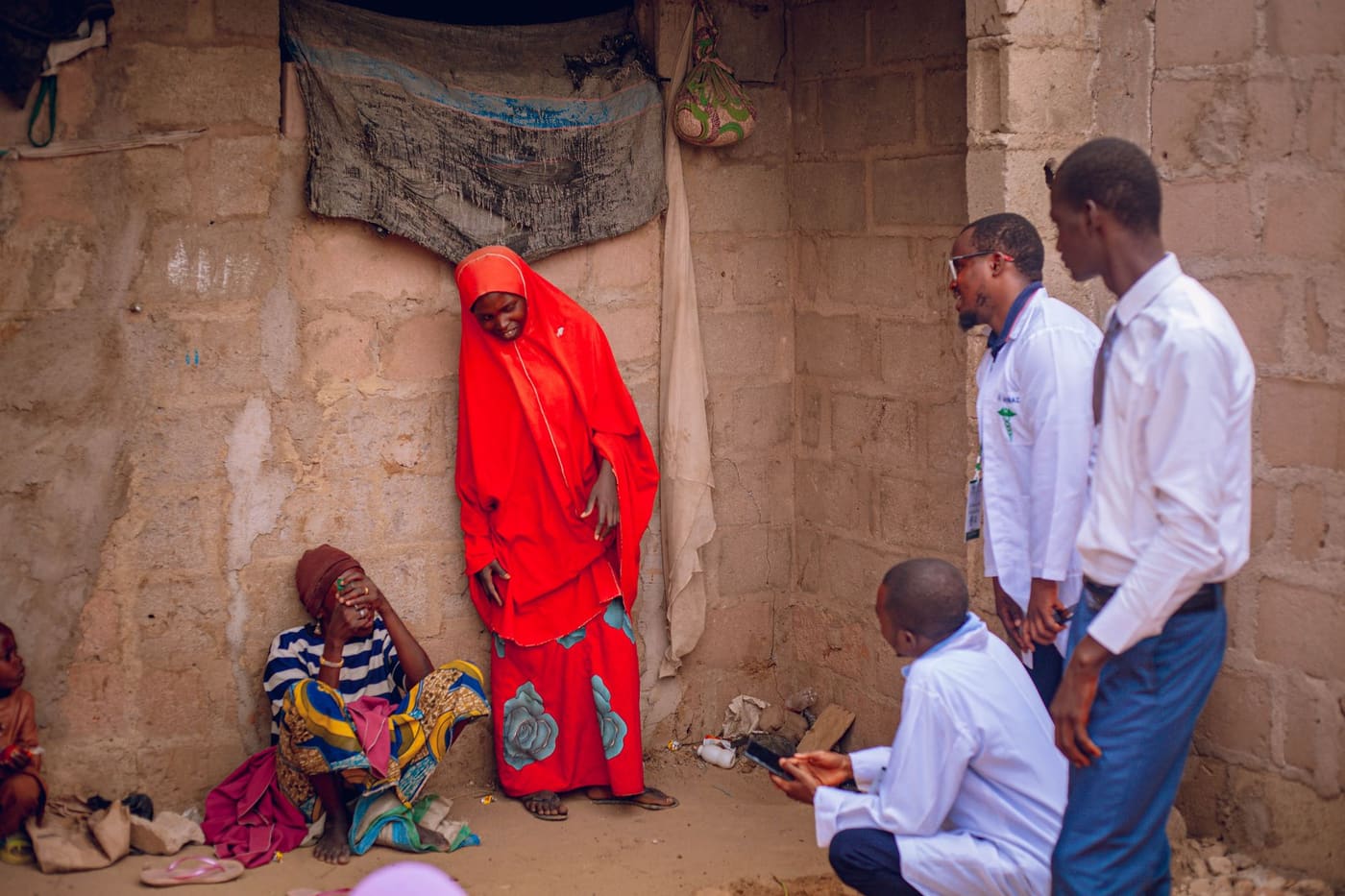
Public health is the science and practice of keeping whole populations healthy. A doctor asks, “What’s wrong with this patient?” Public health asks, “Why are so many people in this county getting sick, and what would stop it?”
That shift from one person to many changes the tools. Instead of prescriptions and surgery, public health relies on data, prevention programs, education, policy and the physical environment. Its wins are often invisible: the outbreak that never spread, the child who never started smoking, the water supply that stayed clean.
Prevention is the heart of it. The Council on Education for Public Health (CEPH), which accredits public health degrees, requires students to learn three levels of prevention:
- Primary prevention stops a problem before it starts, such as vaccination or seat-belt laws.
- Secondary prevention catches it early, such as cancer screening.
- Tertiary prevention limits the damage once someone is already ill, such as rehabilitation or disease management programs.
What Public Health Does Day to Day
Public health work runs on a loop: measure a problem, find its causes, act, and check whether the action worked.
Take the epidemiologist. The Bureau of Labor Statistics (BLS) describes the job as investigating the patterns and causes of disease and injury, planning studies, collecting and analyzing data, and sharing findings with officials and the public.
Around that core, other public health workers:
- run community programs on nutrition, tobacco, maternal health or chronic disease;
- teach people how to use health services and change risky habits, as health education specialists do;
- connect neighbors to care as community health workers;
- inspect workplaces and environments for hazards, the work of environmental and occupational health specialists;
- analyze health data as biostatisticians and health informatics specialists;
- manage the organizations that deliver care, as health services managers do.
CEPH also expects every MPH student to learn the core functions of public health and the 10 Essential Public Health Services.
The Core Disciplines of Public Health
CEPH names five traditional core knowledge areas, and it says the MPH competencies grow out of them. Each one lines up with a set of careers.
| Discipline | The question it answers | Related career | BLS median pay, May 2025 |
|---|---|---|---|
| Epidemiology | Who gets sick, where, and why? | Epidemiologist | $87,220 |
| Biostatistics | What do the health data actually show? | Statistician (biostatistician) | $105,650 |
| Social and behavioral sciences | Why do people make the health choices they do? | Health education specialist | $64,070 |
| Health services administration | How are health systems run and paid for? | Medical and health services manager | $123,860 |
| Environmental health sciences | How do air, water, food and work affect health? | Occupational health and safety specialist | $90,150 |
CEPH’s list of foundational knowledge goes further. It adds biological and genetic factors, the social, political and economic determinants of health, how globalization shapes disease, and One Health, which ties human health to animal and ecosystem health. That breadth is why public health teams mix statisticians, educators, policy analysts and scientists.
The Forces Public Health Studies
CEPH’s foundational knowledge list is also a good map of what shapes a population’s health. It asks every MPH student to explain:
- Environmental factors, such as air and water quality, housing and workplace hazards.
- Biological and genetic factors, which help explain why some groups carry a higher risk of a disease.
- Behavioral and psychological factors, such as diet, activity, tobacco use and stress.
- Cultural, social, political and economic determinants, and how they drive gaps in health between groups.
- Globalization, and how travel and trade change the global burden of disease.
It also expects students to know the major causes and trends of illness and death in the U.S. or the community a program serves, with attention to disparities by income, race, ethnicity and gender. In practice, that means a public health worker looking at a rise in asthma asks about housing, pollution, insurance and neighborhood income, not only about inhalers.
Where Public Health Professionals Work
Government is the anchor, but it isn’t the only employer. BLS data on the largest employers for three public health occupations shows how the field spreads out.
Epidemiologists (2025):
- State government: 33%
- Local government: 22%
- Hospitals: 10%
- Scientific research and development services: 9%
- State colleges and universities: 6%
Health education specialists (2025):
- Government: 24%
- Ambulatory health care services: 18%
- Hospitals: 16%
- Educational services: 14%
- Social assistance: 7%
Medical and health services managers (2025): hospitals employ 28%, physician offices 13%, nursing and residential care facilities 9%, and outpatient care centers and government 7% each.
The same range shows up in MPH training. CEPH lets students complete their Applied Practice Experience in governmental, nonprofit, non-governmental, industrial and for-profit settings.
What Public Health Careers Pay
Pay depends heavily on the role. These are BLS national wage figures for the seven careers this site profiles.
| Career | 25th percentile | Median | 75th percentile |
|---|---|---|---|
| Community health worker | $45,640 | $51,850 | $62,540 |
| Health education specialist | $50,620 | $64,070 | $87,130 |
| Health informatics specialist | $48,940 | $68,020 | $95,630 |
| Epidemiologist | $71,090 | $87,220 | $112,640 |
| Environmental and occupational health specialist | $69,560 | $90,150 | $111,690 |
| Biostatistician | $82,220 | $105,650 | $141,490 |
| Health services manager | $94,700 | $123,860 | $166,100 |
Source: BLS Occupational Employment and Wage Statistics, May 2025. Biostatistician figures are for all statisticians, environmental health figures are for occupational health and safety specialists, and health informatics figures are for health information technologists and medical registrars. The MPH salary guide breaks these down further.
How the MPH Fits Into Public Health
You can enter public health at several levels, and the MPH is the step that opens the roles that need graduate training.
- Community health worker: BLS lists a high school diploma as the typical entry-level education.
- Health education specialist: a bachelor’s degree is typical, though some positions require a master’s or doctoral degree.
- Epidemiologist: typically at least a master’s degree, and BLS says a master’s in public health with an emphasis in epidemiology is common.
- Statistician: a master’s degree is the typical entry-level education.
The MPH is the field’s main professional degree. It teaches all five disciplines, then lets you specialize in one through a concentration such as epidemiology, community health or environmental health. You also complete supervised practice work and a culminating project. The full breakdown is in what an MPH degree is.
Where to Go Next if Public Health Fits You
This site tracks 488 MPH programs, 258 of them online. A few places to start:
- Online MPH programs if you need to keep working.
- MPH programs with no GRE: 187 programs say the GRE isn’t required.
- Affordable MPH programs, sorted by published tuition.
- School profiles such as the UTHealth Houston MPH, offered on campus, hybrid and online, and the San Diego State University MPH, which doesn’t require the GRE.
Before you commit, read how long an MPH takes and weigh the cost against the pay in is an MPH worth it.
Frequently Asked Questions
How Is Public Health Different From Medicine?
Medicine diagnoses and treats individual patients. Public health works on the health of a whole population, mostly through prevention: surveillance, vaccination programs, health education, clean air and water rules, and policy.
Is Public Health a Good Career?
It pays across a wide range. BLS median pay in May 2025 ran from $51,850 for community health workers to $123,860 for medical and health services managers, and epidemiologist employment is projected to grow 19 percent from 2025 to 2035.
Do You Need a Degree to Work in Public Health?
Not for every job. BLS lists a high school diploma as the typical entry-level education for community health workers and a bachelor's degree for health education specialists. Epidemiologists typically need a master's.
What Is One Health?
One Health is an ecological view that connects human health, animal health and ecosystem health. CEPH lists it among the foundational knowledge every accredited MPH student must learn.
Keep Reading
Sources
- CEPH: Accreditation Criteria (2024)
- BLS Occupational Outlook Handbook: Epidemiologists
- BLS Occupational Outlook Handbook: Health Education Specialists and Community Health Workers
- BLS Occupational Outlook Handbook: Medical and Health Services Managers
- BLS Occupational Outlook Handbook: Mathematicians and Statisticians
Researched and edited by Taylor Rupe. Figures from official sources are dated where they appear.