Careers and Pay · BLS May 2025
Public Health Jobs and Careers With an MPH
What Public Health Jobs Can You Get With an MPH, and What Do They Pay?
Public health jobs for MPH graduates span seven main career paths tracked on this site, from epidemiologist and biostatistician to health services manager, and their median pay ranges from $51,850 for community health workers to $123,860 for medical and health services managers (BLS, May 2025). Only two of the seven, epidemiologist and statistician, typically require a master's degree to enter. For the rest, an MPH is an advantage rather than the entry ticket. Compare the MPH salary guide for pay by state.
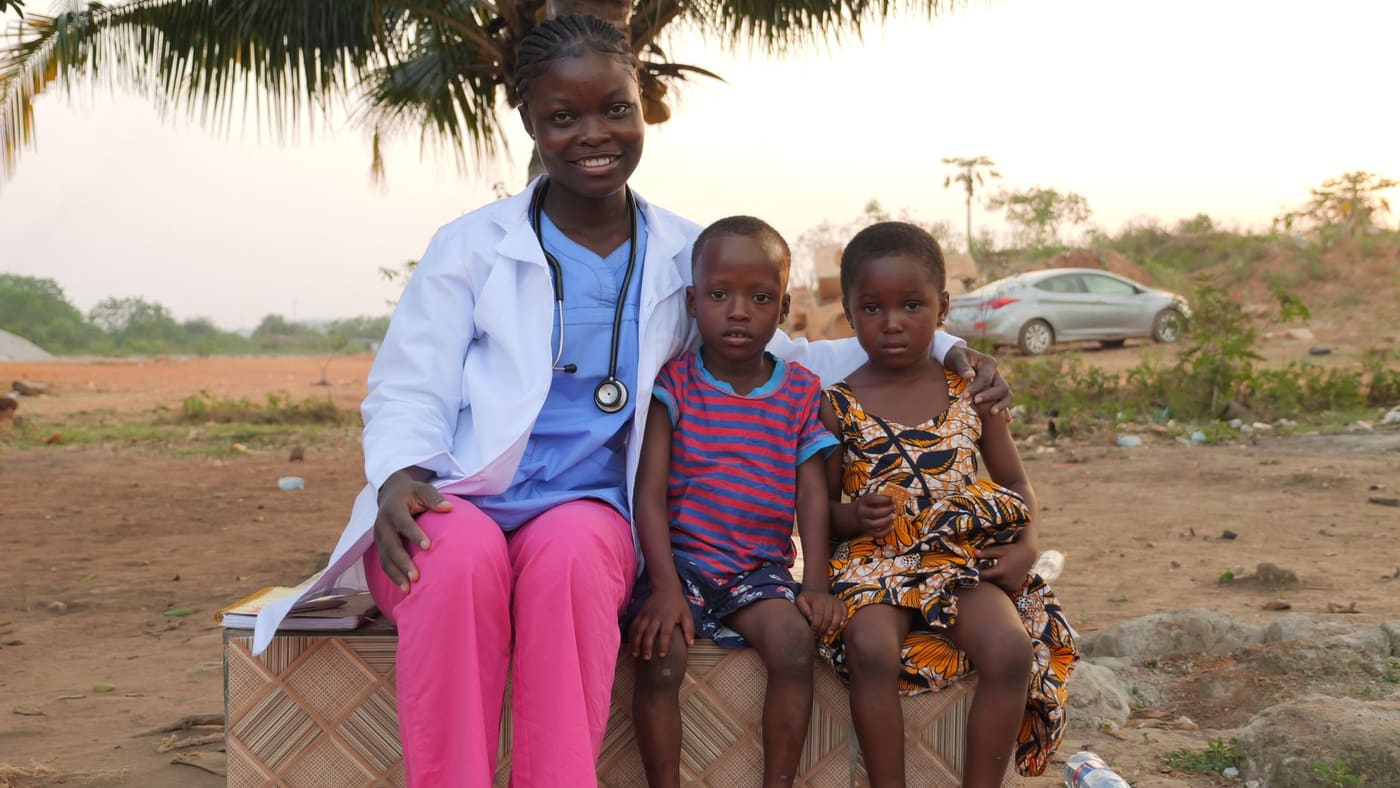
An MPH doesn’t lead to one job. It prepares you for a family of public health careers that share a toolkit (epidemiology, biostatistics, program planning, policy and communication) but differ a lot in daily work, entry requirements and pay. The seven career paths below are the ones this site tracks in detail, with pay from the Bureau of Labor Statistics (BLS) May 2025 wage survey and job facts from its Occupational Outlook Handbook.
Public Health Jobs Compared: Pay, Entry Education and Growth
| Career | Median pay | Typical entry education (BLS) | Projected growth, 2025 to 2035 |
|---|---|---|---|
| Health services manager | $123,860 | Bachelor’s, plus some experience | 24 percent |
| Biostatistician (BLS: statisticians) | $105,650 | Master’s | 10 percent (mathematicians and statisticians combined) |
| Environmental and occupational health specialist | $90,150 | Bachelor’s | 19 percent (specialists and technicians combined) |
| Epidemiologist | $87,220 | Master’s | 19 percent |
| Health informatics specialist (BLS: health information technologists) | $68,020 | Associate’s to master’s | 16 percent |
| Health education specialist | $64,070 | Bachelor’s | 6 percent |
| Community health worker | $51,850 | High school diploma | 13 percent |
Three of these careers map onto broader BLS groups. Biostatisticians are counted with all statisticians, environmental health specialists with occupational health and safety specialists, and health informatics specialists with health information technologists and medical registrars. The pay figures are for those whole groups.
What Can You Do With a Master’s in Public Health?
The honest answer is that the MPH matters most in two careers and helps in the other five. BLS lists a master’s degree as the typical entry requirement only for epidemiologists and statisticians, and it names the MPH directly as a common route into epidemiology. In the other five, you can start with less education, and the MPH tends to pay off when you move into supervisory, analytic or program-leadership roles.
That shapes how you should pick a concentration. If you want a job that requires the degree, an epidemiology or biostatistics concentration points straight at it. If you’re aiming at management, a health policy concentration builds the skills that managers use, and the MPH vs MHA guide compares the two routes into health administration.
The Data Careers: Epidemiologist and Biostatistician
Epidemiologists investigate the patterns and causes of disease and injury. BLS lists their core duties as planning studies, collecting and analyzing data from surveys, interviews and biological samples, and communicating findings to officials and the public. Government dominates hiring: state government employs 33% and local government 22%. The median is $87,220, with a range from $61,270 at the 10th percentile to $138,800 at the 90th.
Biostatisticians are statisticians who work in health. BLS says biostatisticians work in pharmaceutical companies, public health agencies and hospitals, designing drug efficacy studies and investigating disease outbreaks. Pay is higher: a $105,650 median and a 90th percentile of $174,050. The federal government is the largest employer of statisticians overall, at 16%.
Both careers suit you if you like math and data. Programs such as the UAB MPH and the UC Berkeley MS in Epidemiology train for them directly.
The Management Career: Health Services Manager
Medical and health services managers plan, direct and coordinate the business side of health care: budgets, staffing, compliance and quality. It’s the largest and best-paid career here, with 597,080 jobs and a $123,860 median. The top 10% earn $224,340 or more.
BLS lists a bachelor’s degree as the typical entry level, with some related work experience, and notes that advancement to top executive roles may require a master’s. Hospitals employ 28% of these managers and physicians’ offices 13%. An MPH with a management focus, such as the UCLA MPH in Health Policy and Management, is one way to reach those senior roles.
The Safety and Systems Careers: Environmental Health and Health Informatics
Occupational health and safety specialists inspect workplaces, design programs to control chemical, physical and other hazards, train employers and workers, and investigate incidents. Government employs 18%, and manufacturing and construction 17% each. With 140,610 jobs and a $90,150 median, this is the second-largest career on this list. An environmental health concentration is the natural fit.
Health information technologists and medical registrars help design health care computer systems, maintain clinical databases and registries, track patient outcomes and protect patient privacy. Hospitals employ 46% of them. The median is $68,020, but the spread is wide: $39,830 at the 10th percentile to $117,420 at the 90th. BLS notes that certification may be required or preferred, and that some jobs call for a bachelor’s or master’s.
The Community Careers: Health Educator and Community Health Worker
Health education specialists assess a community’s health needs, design programs and materials, evaluate what works and help people find services. BLS lists a bachelor’s degree as typical but says some positions require a master’s or doctoral degree. The median is $64,070, and government is the largest employer at 24%. Health educators can also pursue the CHES certification.
Community health workers do outreach, including home visits, coordinate care, provide basic screenings and advocate for people’s housing and food needs. It’s an entry-level role: BLS lists a high school diploma and short-term on-the-job training, and some states require certification. The median is $51,850, and the 90th percentile is $77,180.
Both roles suit you if you want to work directly with people. For an MPH aimed here, look at community health programs such as The University of Alabama’s online MPH in Health Education and Promotion.
Entry-Level Public Health Jobs: What Early-Career Pay Looks Like
The median is the midpoint: half of workers earn more and half earn less. The 10th and 25th percentiles show where the lower-paid end of each field sits, which is a more cautious number to plan a first-year budget around. Here is the lower end of each career next to its median:
| Career | 10th percentile | 25th percentile | Median |
|---|---|---|---|
| Health services manager | $73,390 | $94,700 | $123,860 |
| Biostatistician (statisticians) | $64,000 | $82,220 | $105,650 |
| Environmental and occupational health specialist | $55,000 | $69,560 | $90,150 |
| Epidemiologist | $61,270 | $71,090 | $87,220 |
| Health informatics (health information technologists) | $39,830 | $48,940 | $68,020 |
| Health education specialist | $42,990 | $50,620 | $64,070 |
| Community health worker | $38,810 | $45,640 | $51,850 |
If you’re entering public health before earning an MPH, look first at the careers with lower entry requirements. BLS lists a high school diploma for community health workers and a bachelor’s degree for health education specialists, occupational health and safety specialists and health services managers. Those jobs let you build real work experience before graduate school, and the MPH admission requirements guide shows how programs weigh it. If you already hold an MPH in epidemiology or biostatistics, the floor is higher: the 25th percentile for epidemiologists is $71,090, and for statisticians it’s $82,220.
Where Public Health Jobs Pay Most
Location changes pay a lot. A few examples from the May 2025 state data:
- Health services managers in New York earn a $164,120 median, against $97,790 in Alabama.
- Epidemiologists in Massachusetts earn a $115,890 median and in California $110,760, against $56,930 in Mississippi.
- Biostatisticians in the District of Columbia earn a $140,670 median, and in Maryland, with 2,730 jobs, $132,620.
- Health education specialists in Maryland earn $104,470 and in Georgia $99,400, well above the $64,070 national median.
The MPH salary guide has the full state breakdown for every career.
How to Pick Your Public Health Career Path
- Start from the job, not the degree. If the job typically needs a master’s (epidemiology, biostatistics), the MPH is essential. If not, weigh the cost against the promotion it could bring.
- Choose a concentration that matches. Browse MPH concentrations and pick the one that leads to your target role.
- Check where the jobs are. Government hires most epidemiologists; hospitals employ the largest share of health information technologists (46%) and of health services managers (28%).
- Pick an accredited program. Students and graduates of CEPH-accredited MPH programs can sit the CPH exam. The CEPH accreditation guide shows how to check.
- Compare programs on cost and format. Start with the online MPH programs or the affordable MPH programs, and use is an MPH worth it to test the numbers.
| Career | Median pay | 10th to 90th percentile | U.S. jobs | MPH concentration |
|---|---|---|---|---|
| Health Services Manager | $123,860 | $73,390 to $224,340 | 597,080 | Health Policy and Management |
| Biostatistician | $105,650 | $64,000 to $174,050 | 29,030 | Biostatistics |
| Environmental and Occupational Health Specialist | $90,150 | $55,000 to $134,950 | 140,610 | Environmental and Occupational Health |
| Epidemiologist | $87,220 | $61,270 to $138,800 | 12,090 | Epidemiology |
| Health Informatics Specialist | $68,020 | $39,830 to $117,420 | 38,100 | Health Informatics |
| Health Education Specialist | $64,070 | $42,990 to $118,200 | 65,690 | Community Health and Health Promotion |
| Community Health Worker | $51,850 | $38,810 to $77,180 | 61,660 | Community Health and Health Promotion |
BLS Occupational Employment and Wage Statistics, May 2025, national estimates. Each career page names its exact BLS occupation.
Health Services Manager
Plan and direct health services in health departments, hospitals and clinics. Many managers hold an MPH or MHA. Median pay: $123,860.
Biostatistician
Design studies and apply statistical methods to health and biological data. BLS reports biostatisticians within its Statisticians occupation. Median pay: $105,650.
Environmental and Occupational Health Specialist
Inspect workplaces and environments for hazards and develop programs to prevent disease and injury. BLS reports this work as Occupational Health and Safety Specialists. Median pay: $90,150.
Epidemiologist
Investigate the patterns and causes of disease and injury, design studies and analyze health data to guide prevention. Median pay: $87,220.
Health Informatics Specialist
Manage and analyze health information systems and registries. BLS reports this work as Health Information Technologists and Medical Registrars. Median pay: $68,020.
Health Education Specialist
Plan and run programs that teach people about behaviors that promote health, from community outreach to workplace wellness. Median pay: $64,070.
Community Health Worker
Connect community members with health and social services and collect data on community health needs. Median pay: $51,850.
Frequently Asked Questions
What Is the Highest Paying Public Health Job?
Of the seven careers on this site, medical and health services managers earn the most, with a median of $123,860 in May 2025 and a 90th percentile of $224,340. Statisticians, the BLS group that includes biostatisticians, come second at a $105,650 median.
Which Public Health Jobs Are Entry Level?
BLS lists a high school diploma as the typical entry education for community health workers, an associate's degree for health information technologists and medical registrars, and a bachelor's degree for health education specialists and occupational health and safety specialists. Epidemiologists and statisticians typically need a master's.
Is Public Health a Good Career?
The growth outlook is strong. BLS projects 2025 to 2035 employment growth of 24 percent for medical and health services managers, 19 percent for epidemiologists, 16 percent for health information technologists and 13 percent for community health workers, all much faster than the average for all occupations.
Where Do Epidemiologists Work?
Mostly in government. BLS reports that state government employs 33% of epidemiologists and local government 22%, followed by hospitals at 10% and scientific research and development services at 9%.
Can You Get a Public Health Job With a Bachelor's Degree?
Yes. BLS lists a bachelor's degree as the typical entry education for health education specialists, occupational health and safety specialists, and medical and health services managers. An MPH tends to matter more for moving up and for epidemiology and biostatistics roles.