Career Guide · Updated September 27, 2026
CHES Certification: Requirements, Exam, Cost and Renewal
What Is CHES Certification?
CHES certification (Certified Health Education Specialist) is the national credential for health educators, awarded by NCHEC to people who meet its coursework rules and pass a 165-question exam. The next exam window runs April 22 to May 1, 2027, with registration from November 1, 2026 and fees from $250 to $435. An MPH in community health is a common way to build the coursework; compare community health MPH programs.
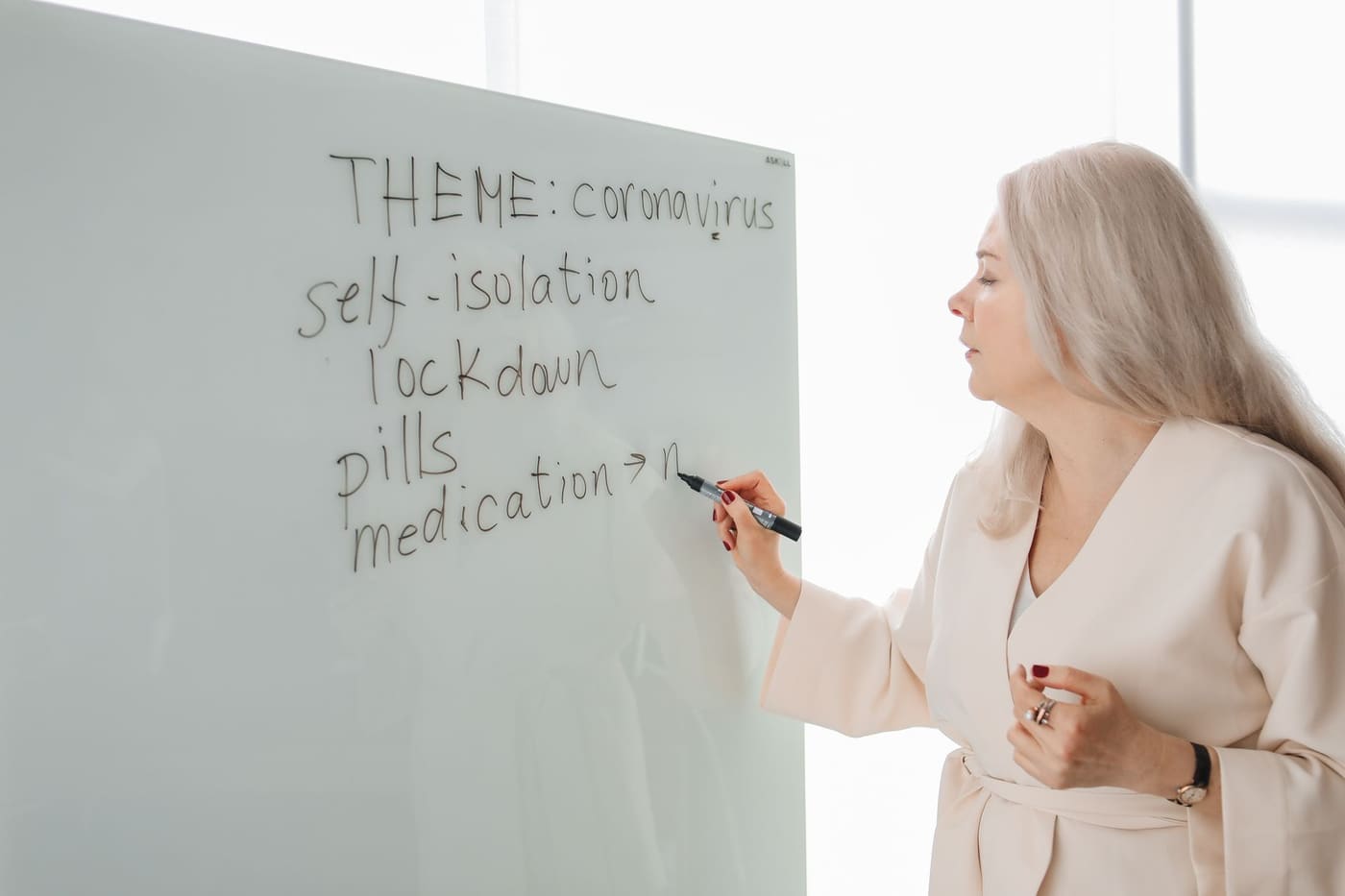
CHES certification shows an employer that you’ve studied health education in depth and passed a national exam built on the core responsibilities of the job. The credential stands for Certified Health Education Specialist, and it’s awarded by the National Commission for Health Education Credentialing (NCHEC).
If you’re heading into health education or community health, it’s the credential to plan for. This guide covers the requirements, the exam, what it costs, how to keep it, and how the advanced MCHES differs.
What CHES Certification Is and Who It’s for
A CHES has done three things: met NCHEC’s academic requirements, passed its competency-based exam, and kept up with continuing education. The exam is built on the Eight Areas of Responsibility for Health Education Specialists, drawn from a national study of what the job involves, and it tests the entry-level skills in each area.
The credential fits the work that health education specialists do. The Bureau of Labor Statistics counted 65,690 of them in May 2025, with a median wage of $64,070. The middle half earned between $50,620 and $87,130. The health educator career page has the full pay picture and the path in.
CHES Certification Requirements
You need two things: a degree and the right coursework.
- A degree. A bachelor’s, master’s or doctoral degree from an accredited college or university.
- Health education coursework. An official transcript that shows either a major in health education, or at least 25 semester credits (37 quarter hours) of health education coursework with a C or better.
Those 25 credits have a structure. At least 12 semester credits must come from process courses (planning, implementing and evaluating programs, for example). No more than 9 can come from topic-focused courses, and no more than 6 from other related courses.
How to Become a Certified Health Education Specialist While in School
You don’t have to wait for graduation. NCHEC’s 90-day option lets you sit for the exam if you’re enrolled and scheduled to graduate within 90 days of the exam date, with a faculty member confirming you’ll finish in time. An MPH with a health education or community health focus often covers the coursework. For example, Cal State Northridge’s online MPH in Community Health Education runs 42 units over about 2.5 years, and UCLA’s MPH in Community Health Sciences runs two years on campus. Browse more in the community health MPH programs list, and check each program’s courses against NCHEC’s rules.
The CHES Exam: Format, Dates and Pass Rate
The CHES exam has 165 multiple-choice questions. 150 count toward your score and 15 are pilot questions being tested for future exams. You get three hours.
It’s split into blocks: questions 1 to 83, then an optional 10-minute break, then questions 84 to 165. You can review and change answers inside the first block, but once you start the second block you can’t go back. You can take the exam at a computer-based test center or at home through live remote proctoring, in the United States or abroad.
CHES Exam Dates
NCHEC runs the exam twice a year, in April and October. For the next window:
- Exam dates: April 22 to May 1, 2027
- Registration: November 1, 2026 to February 28, 2027
- October 2027 exam registration: May 1 to August 31, 2027
CHES Exam Pass Rate and Scoring
The passing score is 600 on a scale of 200 to 800. NCHEC sets it in advance using expert judgment of what a just-qualified candidate should know, then adjusts for the difficulty of each exam form. In April 2025, 73.19% of 855 candidates passed. In October 2025, 67.59% of 617 passed. You get a provisional pass or fail as soon as you finish, then an official score report with feedback on each area.
Is the CHES Exam Hard?
The numbers say most prepared candidates pass, but a real share don’t: 73.19% passed in April 2025 and 67.59% in October 2025. Your pass or fail depends on your score across the whole exam, not on any one area, so a weak spot won’t sink you on its own if the rest is strong.
Prepare the way you would for any long multiple-choice exam. NCHEC publishes a CHES Exam Handbook and an exam toolkit, and lists study groups on its site. Your score report rates you as proficient, moderately proficient or below proficient in each area, which helps if you need a second attempt.
CHES Certification Cost
Fees rise the later you register. The student rate applies if you’re taking at least 9 semester credits (12 quarter hours) when you apply, or you’re full time.
| Registration period (April 2027 exam) | Nonstudent | Student |
|---|---|---|
| Early bird: Nov 1 to Nov 30, 2026 | $300 | $250 |
| Regular: Dec 1, 2026 to Jan 31, 2027 | $360 | $310 |
| Final: Feb 1 to Feb 28, 2027 | $435 | $385 |
If NCHEC finds you ineligible, or you withdraw, $100 of the fee is kept as a processing charge.
Keeping Your CHES: Recertification
A CHES cycle lasts five years. You pay a $60 renewal fee each year, and by the end of year five you need 75 continuing education contact hours (CECH):
- Category I (at least 45): activities pre-approved by NCHEC and reported for you by the provider.
- Category II (up to 30): relevant activities from other providers, which you submit yourself.
- Continuing competency (5): a work performance review by a supervisor or client, or a pre-approved Category I activity.
If you earn more than 75, up to 15 Category I hours roll into your next cycle. Fall short and you can ask for an extension. The last resort is retaking the exam; failing it ends your certification at the close of the cycle.
MCHES: The Advanced Credential
The Master Certified Health Education Specialist (MCHES) is for experienced practitioners. You qualify with five continuous years as an active CHES, or with a master’s degree or higher, 25 semester credits of health education coursework and five years of documented work as a health education specialist. Volunteer work doesn’t count, and you don’t have to hold CHES first. You’ll document your experience with two verification forms from a supervisor or professional leader plus a current resume. If you’re not sure your courses qualify, non-CHES applicants can use NCHEC’s optional academic prescreen; if you’re found eligible, the $40 prescreen fee comes off your exam registration fee.
The MCHES exam also has 165 questions in three hours, given at PSI test centers. For April 2027 it costs $310 to $450 for current CHES and $360 to $500 for everyone else. Recertification also takes 75 hours over five years, and at least 30 of them must be advanced-level.
Is CHES Certification Worth It?
For one exam fee and a $60 yearly renewal, you get a national credential that shows your health education training has been tested against a common standard. It matters most if you want a health educator or community health role. If your path is epidemiology or policy, the broader CPH certification may fit better. Either way, the degree comes first: see what public health covers and how to fund it in the MPH scholarships guide.
Frequently Asked Questions
How Long Does CHES Certification Last?
Each certification cycle lasts five years. You renew every year with a $60 fee and, by the end of the fifth year, show 75 continuing education contact hours to recertify.
Can Students Take the CHES Exam Before Graduating?
Yes. Under NCHEC's 90-day option, you can sit for the exam if you're enrolled and scheduled to graduate within 90 days of the exam date, with faculty verification that you'll finish your degree in that time.
Can I Take the CHES Exam From Home?
Yes. NCHEC offers the CHES exam through live remote proctoring as well as at computer-based test centers, in the United States and internationally.
What Happens if I Don't Earn Enough Credits to Recertify?
You can request an extension, and if you still fall short you can recertify by retaking the CHES exam. If you fail that exam, your certification expires at the end of the five-year cycle.
Keep Reading
Sources
Researched and edited by Taylor Rupe. Figures from official sources are dated where they appear.